
Luck Rituals and Incantations: Psychology, Traditions, and Gentle Magic
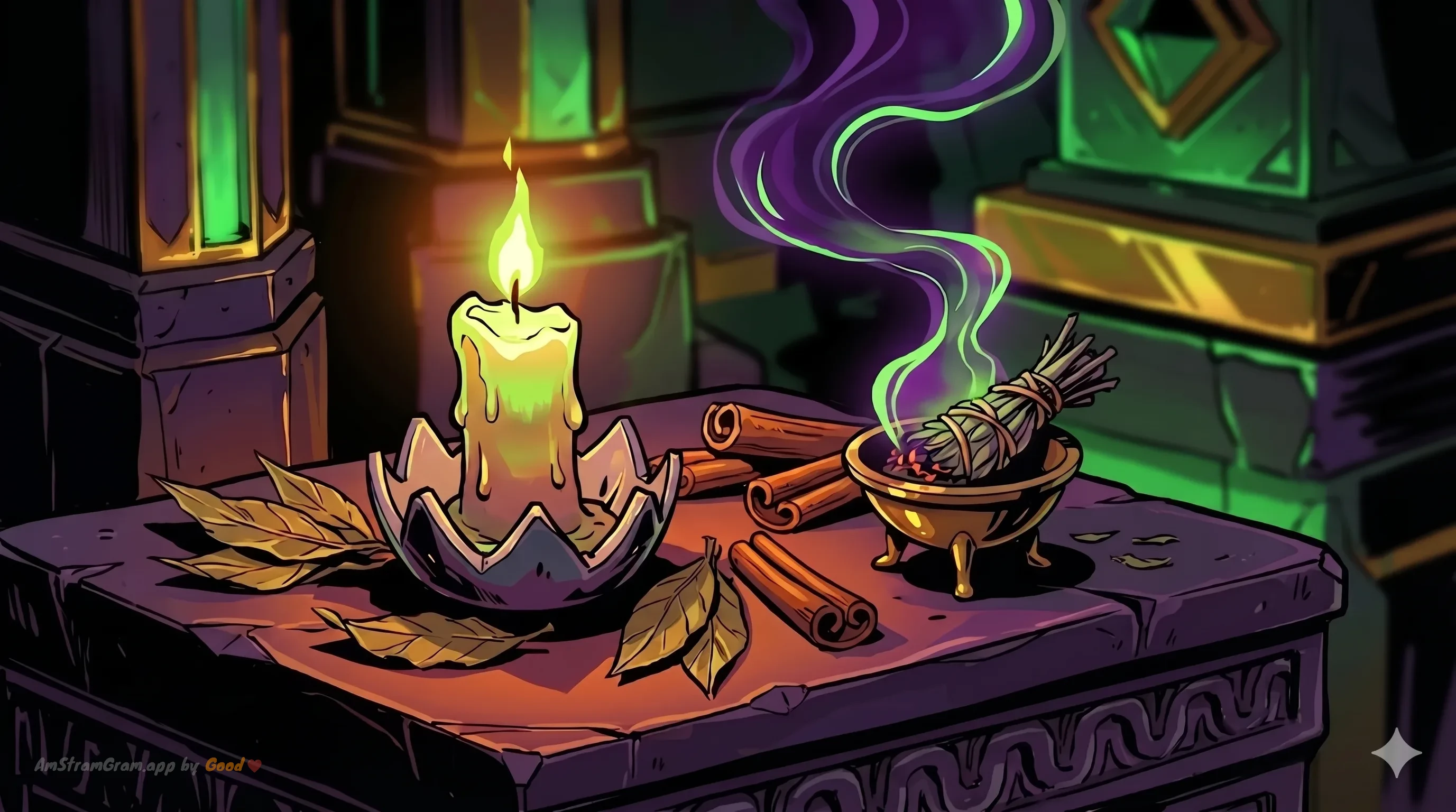
What if luck wasn’t a gift from the sky—but a psychological skill you can train?
What if luck wasn’t “something you have”, but a psychological skill? A blend of attention, social openness, small risks, and the ability to try again. In that frame, rituals aren’t miraculous recipes—they’re tiny structures that calm the nervous system and point your day in a direction.
This article steps away from clichés. Think luck psychology rituals, good-luck traditions, and attention science—a gentle kind of magic that helps you attract opportunities because you show up differently.
Why do we need rituals?
Anthropology makes it clear: when the world feels uncertain, humans create rituals—not out of naïveté, but because the brain hates ambiguity. A ritual is an elegant way to regain a little control: anxiety becomes a gesture, hesitation becomes a sequence, chaos becomes one intentional minute.
Psychology adds a simple mechanism: repeat a small act (breathe, write, light a candle), and your nervous system hears, “I’m choosing a direction.”
The science of luck: selective attention & opportunity
Psychologist Richard Wiseman popularised a simple idea: people who feel “lucky” don’t have a secret charm—they have mental habits. They notice more useful signals, start more conversations, and recover faster after setbacks.
A morning ritual can act like a soft primer: it activates a helpful bias— selective attention. If your intention is about money, work, or relationships, your brain is more likely to spot financial or social openings throughout the day— and then act on them.
Three nature-based traditions, grounded and sensory
Cinnamon at the threshold: a Mediterranean echo
On the doorstep, everything is symbolic: leaving, returning, welcoming. A pinch of cinnamon (often on the first day of the month) feels like a sunlit, Mediterranean gesture—warm spice, simple movement, a quiet invitation for “the good” to enter.
The spicy scent becomes an olfactory anchor: abundance tied to a real sensation. Not “magic”—memorable. And what’s memorable tends to guide your choices.
Bay leaf: the emblem of ancient winners
From poets to champions, bay carries a story: effort, dignity, and victory. Slip a leaf into your wallet—not as blind superstition, but as a quiet reminder of your ambitions.
The dry texture, the faint rustle… a tactile note that says, “stay on course.”
Smudging (sage / Palo Santo): making mental space
“Clear the air to clear the mind” is a cultural intuition found almost everywhere. Smoke rises, the woody scent slows you down, attention gathers. You clean a space—and you also clarify an inner state.
The key is intention: open a window, breathe, choose what you release. Making space is also a way to let possibility in.
The modern Grimoire: incantations and formulas of chance
Here we’re talking about gentle magic in a psychological sense—gestures, words, and rituals that frame attention and give meaning to chance, without supernatural claims. Useful incantations are usually clear formulas: a grounded phrase, repeated calmly, that steers action rather than “pulling” anything toward you from outside.
To explore all our content on rituals, lunar cycles, and everyday “white magic,” open the Grimoire pillar page: the same thread as this article, collected in one place.
The Modern Grimoire: three ancestral texts for welcoming luck
Here are three formulas from widely shared traditions—elemental work, Irish folklore, and a soft Wiccan-style cadence— rendered in natural English while keeping their rhythm and intent. They sit in a frame of positive focus and inner alignment, with no nod to anything “dark.”
The four-elements blessing
Common in neo-pagan white-magic circles: you ground yourself in the present and align with nature as a way to make room for good fortune.
By the earth that holds me, by the air I breathe, by the fire that stirs in me and by the water that restores me, I call good fortune to walk beside me, I open the doors of my path, may the best come to me.
The Irish blessing of the road
Perhaps the best-known Irish blessing in the English-speaking world—often shared today outside any rigid dogma, as universal, lyrical good wishes.
May the road rise to meet you, may the wind be always at your back, may the sun shine warm upon your face, may the rain fall soft upon your fields, and may good fortune go with you today and forever.
The abundance charm
A soft Wiccan-style rhyme: the beat—almost a nursery rhythm—creates light focus and helps the mind settle, much like attention-training in psychology.
Luck, prosperity, and abundance, flow to me in a dance. What I seek is seeking me too; let the energy align right here. By my will and harming none, may it be so.
“Harming none” echoes the well-known rede in white-magic practice: your intention should not target or wound anyone else.
Modern rituals: lifestyle magic
Modern magic often comes with a notebook. Journaling (writing intentions), morning gratitude, and a positive daily mantra in the mirror are light, practical rituals: they structure attention and reduce self-sabotage.
In a spirit close to neuro-linguistic programming, a clear sentence repeated calmly can become your thread: “this is who I choose to be today.”
The AmStramGram approach: chance as a mirror
At AmStramGram, we see chance as a psychological mirror. A draw or a roll doesn’t decide for you: it illuminates what your intuition already knows—what you hope for, what you fear, what you’re ready to try.
Create your daily ritual: set an intention, do a small grounding gesture, then use a playful check-in to “validate” your day’s energy. It’s a serious game: you train your attention to attract opportunities.
Sources and References
To go further, here are authoritative resources on the topics covered:
- Law of attraction (New Thought) — Wikipedia.
- Palo santo — Wikipedia (history and traditional uses of smudging).
FAQ – Rituals and Luck
Which positive daily mantra should you choose?
A good mantra is short, concrete, and believable for you. Example: “I notice what can help me” or “I take one step toward my goals.” Repeat it calmly for 30 seconds—less a spell than an attention setting.
Can rituals really help you attract opportunities?
Yes—but not as money falling from the sky. Rituals mainly change your behaviour: more clarity, more momentum, more conversations, more attempts. Those micro-actions mechanically increase the odds of success.
Can “magic” drop success into your lap?
No. But the gentle magic of rituals—selective attention, soothing, intention—can change how you act. That’s what luck psychology rituals really means: becoming the kind of person who notices, dares, and builds.
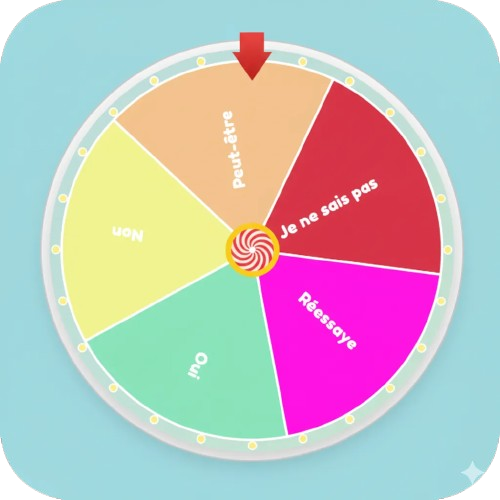
Create your daily ritual. Set an intention, do one grounding gesture, then validate it playfully. Try the Yes/No Wheel to check the “energy” of your day—and listen to what you already know.









💬 Commentaires
Chargement des commentaires…
Laisser un commentaire