Luck Symbols Around the World
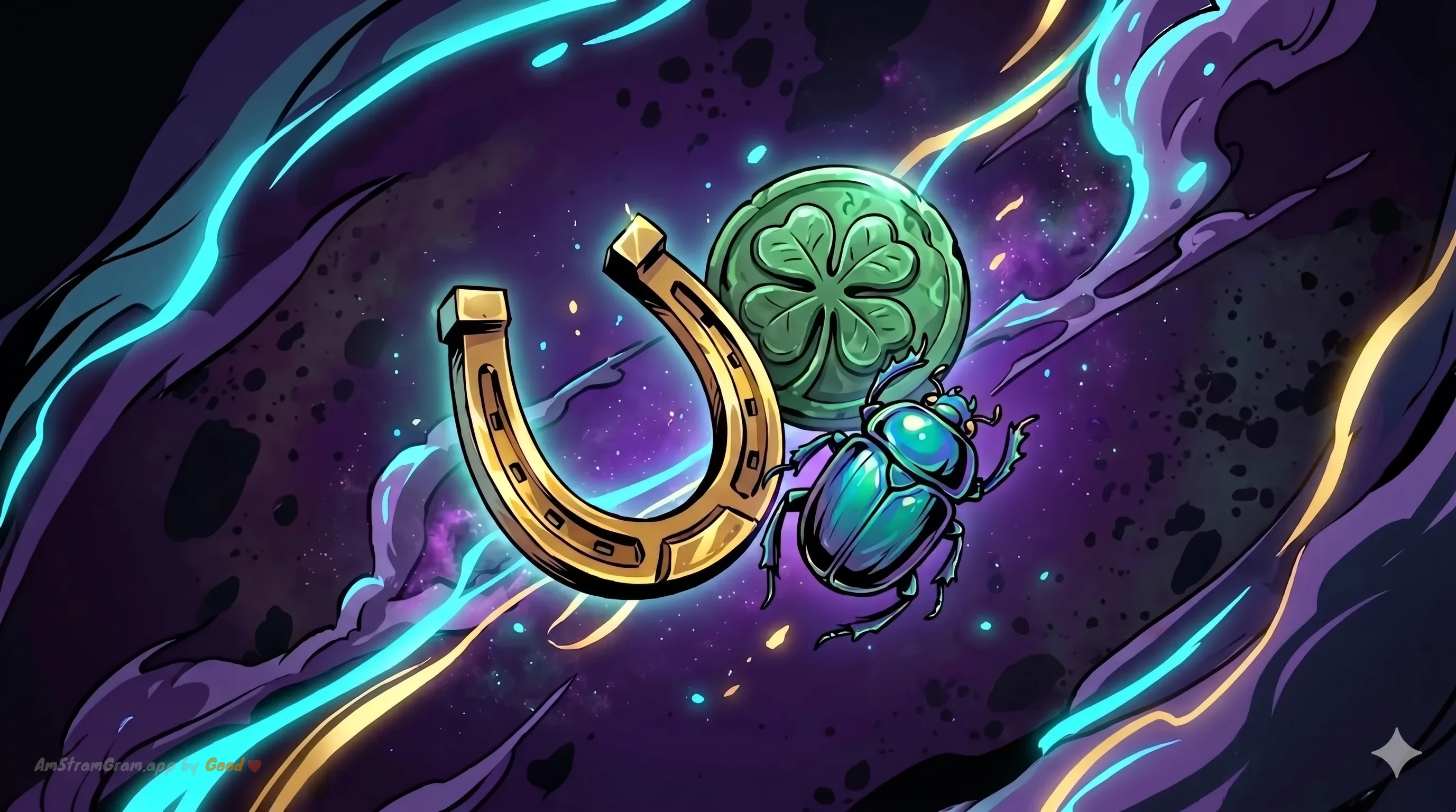
Why do we cross our fingers? Why do we knock on wood? Since the dawn of time, humanity has sought to attract good fortune and ward off bad luck.
Every culture has developed its own talismans, amulets, and rituals. Embark on a fascinating journey through the most powerful luck symbols in the world!
Why do we believe in luck? (Science, in one minute)
Luck isn’t just “cute superstition”. Our brain hates uncertainty: it would rather have a shaky story than a big question mark. So we connect dots, spot “signs”… and remember the wins more than the misses.
Cognitive biases: we naturally pay more attention to what confirms our intuition (and quietly forget the times it didn’t work). Think confirmation bias plus a bit of pattern-seeking — seeing meaning even in randomness.
Reducing uncertainty: a lucky charm is a small way to feel in control when the stakes are high (exam, interview, match, big decision). Even symbolic, it helps you steady yourself.
The placebo effect (lucky charm edition): research suggests “lucky objects” can boost performance… indirectly. Not because the object casts magic, but because it increases confidence, persistence, and the courage to take smart risks. In short: you feel stronger, so you act better.
🌏 Asia: Harmony & Prosperity
In Asia, luck is intimately linked to financial prosperity, family harmony, and spiritual balance. Symbols are often red and gold, the colors of fortune.
🐱 Maneki-Neko (Japan)
This beckoning cat isn't waving goodbye! It is inviting you in and attracting customers.
- • Left paw = attracts customers
- • Right paw = attracts money
- • Both paws = double luck!
🐉 Dragon (China)
Unlike in the West, the Chinese dragon is benevolent. It symbolizes power, strength, and great good fortune.
Did you know? The Year of the Dragon is considered the luckiest year to have children!
🐘 Elephant (India / Asia)
Across India and many parts of Asia, the elephant stands for wisdom, steady strength, and prosperity. It’s a familiar presence in imagery and traditions — often linked to Ganesha, the “path-opener”.
Quick tip: an elephant with its trunk raised is commonly seen as “luck that rises”. (Not just a cute decor detail.)
🐢 Turtle (Asia)
The turtle symbolizes longevity, stability, and patience. In Chinese and Japanese traditions, it’s the ultimate reminder: move slowly, but arrive surely.
Fun image: in many myths, the turtle “carries” the world — perfect when you’re aiming for lasting luck rather than a one-time jackpot.
🔴 Why Red? In China, red represents fire and life. During Chinese New Year, red envelopes (hongbao) containing money are given to pass on good luck.
🔗 Coming Soon: Our detailed article on Good Luck Charms of Asia.
🏰 Europe: Nature & Ancient Traditions
The old continent draws its symbols from nature and pagan traditions, often adopted by Christianity. Many of our daily gestures come from here!
Four-Leaf Clover (Ireland)
For every 10,000 clovers, only one has 4 leaves. Each leaf represents: Faith, Hope, Love, and... Luck!
Saint Patrick used the 3-leaf shamrock to explain the Holy Trinity. The 4th leaf would be a "divine bonus".
Horseshoe (Western Europe)
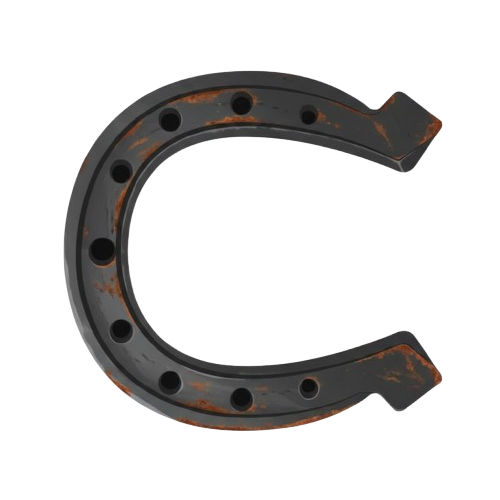
Hung above a door, it protects the home. But mind the orientation!
- • Points up = holds the luck in (English tradition)
- • Points down = pours luck onto those entering (Italian tradition)
Ladybug (France, Germany)
Known as "God's little beast" in some cultures. If it lands on you, it brings good luck. Whatever you do, don't brush it off! It is often said to bring good news.
Greek Eye (Mediterranean)
Around Greece and the Mediterranean, people talk about the “evil eye” — envy (sometimes unintentional) that seems to drain your luck. The blue eye acts as a symbolic shield: it “returns the gaze”, diffuses negativity, and — just as important — reassures you.
🔗 It’s basically the close cousin of the Turkish Nazar. Want the most iconic version? Jump to the Middle East section.
🪵 Why do we knock on wood?
This tradition dates back to the Celts who believed that protective spirits lived in trees. Touching the bark was a way to ask for their protection.
🕌 Middle East: Protection against the Evil Eye
In this region, luck is primarily about protection. The concept of the "Evil Eye" (a jealous gaze that causes misfortune) is central, and many talismans are used to ward it off.
🧿 Nazar Boncuk (Turkey)
This "Blue Eye" is omnipresent in Turkey, Greece, and throughout the Middle East.
The principle? Fighting the gaze with a gaze. The glass eye "absorbs" negative energies sent by jealousy.
🖐️ Hamsa Hand / Hand of Fatima
A symbol shared by Jewish, Muslim, and Christian cultures of the Middle East.
- • Islam: Hand of Fatima (daughter of the Prophet)
- • Judaism: Hand of Miriam (sister of Moses)
- • The 5 fingers represent the 5 pillars of Islam or the 5 books of the Torah
💡 Travel Tip
If your Nazar breaks in Turkey, it's a good sign! It means it has protected you from an Evil Eye attack. You simply need to buy a new one.
🌎 Americas: Spirits & Nature
From the north to the south of the American continent, luck symbols blend Indigenous spirituality with colonial influences.
🕸️ Dreamcatcher (Indigenous Peoples)
Originating from the Ojibwe people, the dreamcatcher filters dreams during sleep.
- • Good dreams slip through the center and slide down the feathers to the sleeper
- • Nightmares get caught in the web and disappear at sunrise
Now popular worldwide, it remains a sacred symbol for Indigenous peoples.
🐰 Rabbit's Foot (USA)
An African-American tradition from the South. To be effective, it must be the left hind foot of a rabbit caught in a cemetery... under a full moon! Today, synthetic versions are preferred. 😅
🪅 Figa (Brazil)
This closed fist with the thumb between the index and middle finger is a symbol of protection and fertility. A Portuguese heritage mixed with Afro-Brazilian traditions.
🌍 Africa: Ancestors & Cosmos
In Africa, luck is linked to the connection with ancestors and harmony with nature. Symbols vary greatly from one region to another.
⚛️ Adinkra Symbols (Ghana)
The Akan of Ghana have been using meaningful graphic symbols for centuries.
Gye Nyame
Supremacy of God
Sankofa
Learn from the past
Nkonsonkonson
Unity, solidarity
Osram ne Nsoromma
Love, harmony
🦁 Scarab (Ancient Egypt) — The beetle rolling its dung ball symbolized the god Khepri rolling the sun across the sky. Wearing a scarab brought rebirth and divine protection.
🔢 Magic Numbers
Some numbers bring good luck... or bad luck! And it varies by culture.
| Number | Lucky 🍀 | Unlucky ⚠️ |
|---|---|---|
| 7 | West (7 days, 7 seas...) | — |
| 8 | China (sounds like "wealth") | — |
| 13 | Italy (lucky!) | France, USA (Friday the 13th) |
| 4 | — | China, Japan, Korea (sounds like "death") |
| 17 | — | Italy (XVII = "VIXI" = "I have lived" = I am dead) |
🏢 Did you know? In China, buildings often skip the 4th, 14th, or 24th floors. In the USA, many hotels don't have a 13th floor!
🤔 Frequently Asked Questions
What is the most powerful luck symbol in the world? ▼
There isn’t just one. The “most powerful” is usually the one that means something to you — tied to a story, a memory, or an intention. A symbol’s impact often comes from personal belief (and the confidence boost that follows), not from a universal ranking.
What is the most universal lucky charm? ▼
The horseshoe is probably the most widespread, found in Europe, the Americas, and even Asia. Its "U" shape that "holds" luck is universally understood.
Do lucky charms really work? ▼
Scientifically? No. But psychologically? Yes! Studies show that people who believe in their "lucky object" are more confident, take more calculated risks, and perform better. It's the placebo effect of luck.
Can you mix lucky charms from different cultures? ▼
Absolutely! In our globalized world, many people wear a Turkish Evil Eye while knocking on wood. What matters is how you feel. Luck is personal.
What is the connection to gambling? ▼
Lucky charms were often used during draws or games. By the way, the Roman goddess Fortuna was depicted with a wheel — the ancestor of our Wheel of Fortune! Learn more about the History of Chance →
📊 Luck symbols comparison table
| Symbol | Origin | Main meaning | Object or animal? |
|---|---|---|---|
| 🍀 Four-leaf clover | Ireland / Europe | Rarity, “bonus” luck | Object (plant) |
| 🐱 Maneki-Neko | Japan | Prosperity, customers, money | Object |
| 🐉 Dragon | China | Power, protection, fortune | Animal |
| 🐘 Elephant | India / Asia | Wisdom, strength, prosperity | Animal |
| 🐞 Ladybug | Europe | Good news, protection | Animal |
| 🧿 Nazar (blue eye) | Turkey / Mediterranean | Protection against the evil eye | Object |
| 🖐️ Hamsa hand | Middle East | Protection, blessing | Object |
| 🧲 Horseshoe | Western Europe | Home protection, “held” luck | Object |
No four-leaf clover at hand?
 No four-leaf clover at hand?
Don't panic! AmStramGram is your digital lucky charm. Let chance decide for you, without superstition, just for fun.
 Heads or Tails
💡 Key Takeaways
From Irish clovers to Chinese dragons, from Turkish Nazars to Native American dreamcatchers: every culture has created its own ways to tame uncertainty.
These symbols remind us that humanity has always tried to give meaning to chance, to believe that we can influence our destiny, even just a little.
So the next time you cross your fingers or knock on wood, remember: you are continuing a tradition thousands of years old. Pretty cool, right? 🍀
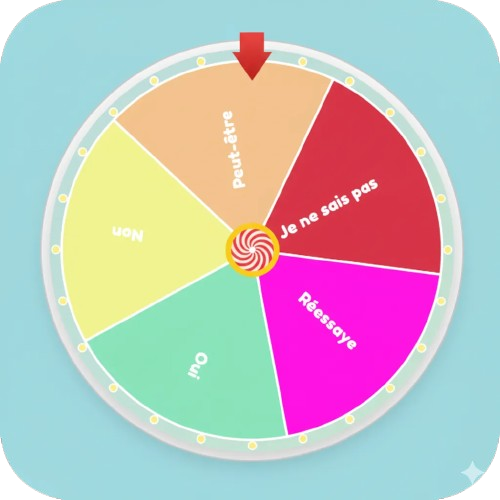
Want to test your luck right now? Spin our Wheel of Fortune .









💬 Commentaires
Chargement des commentaires…
Laisser un commentaire