Deity Codex
 Deity Codex
Explore 120 deities from 7 major mythologies. Filter, compare, discover.
🔍
No deity found
Try another filter.
📊 Pantheons in Numbers
This codex features a selection of the most iconic deities. Here is the true scale of each pantheon throughout history.
Greek Mythology
Over 100 major gods and demigods
The Greek pantheon separates the Olympian gods (12 principal deities on Mount Olympus), the Titans, demigods and countless minor nature deities. The concept of moira (fate) is central.
Norse Mythology
About thirty principal gods, plus giants and spirits
Split between the Aesir (warriors, like Odin and Thor) and the Vanir (fertility, like Freyr and Freyja). The Norse universe also includes giants (Jötnar), elves, dwarves and the Norns who weave fate. Wyrd (fate) is inevitable, even for the gods.
Egyptian Mythology
About 1,500 gods recorded, forty of them very important
The Egyptian pantheon is one of the richest in human history. Gods could merge (syncretism): Ra-Amun, Osiris-Sokar… A god's power (sekhem) varied by era and region.
Chinese Mythology
Hundreds of deities, immortals and spirits
Chinese cosmology blends Taoism, Buddhism and folk beliefs. The Jade Heaven is a divine bureaucracy headed by the Jade Emperor. Humans can become gods through their merits. The concept of qi (vital energy) permeates all beings.
Japanese Mythology
Over 8 million kami, but about a hundred major gods
Shintoism recognises 8 million kami (divine spirits) present in every natural element: stones, trees, rivers, mountains. Among them, a hundred great gods structure the cosmology and the Kojiki (Japan's oldest mythological text, 712 AD).
Native American Mythologies
Varies by tribe — often spirits rather than a fixed pantheon
Spanning more than 500 distinct Native American nations, there is no single pantheon. These traditions speak of spirits (animal totems, ancestors, natural forces) rather than gods. Wakan Tanka (Great Spirit) is the supreme force common to many Plains nations.
Celtic Mythology
Hundreds of deities across Irish, Welsh and Gaulish traditions
Celtic mythology encompasses the traditions of the Celtic peoples of Ireland, Wales and Gaul. The gods of the Tuatha Dé Danann — Lugh, the Dagda, the Morrigan — inhabit an otherworld (Tír na nÓg) parallel to our own. Druids played a central role in passing down these oral traditions.
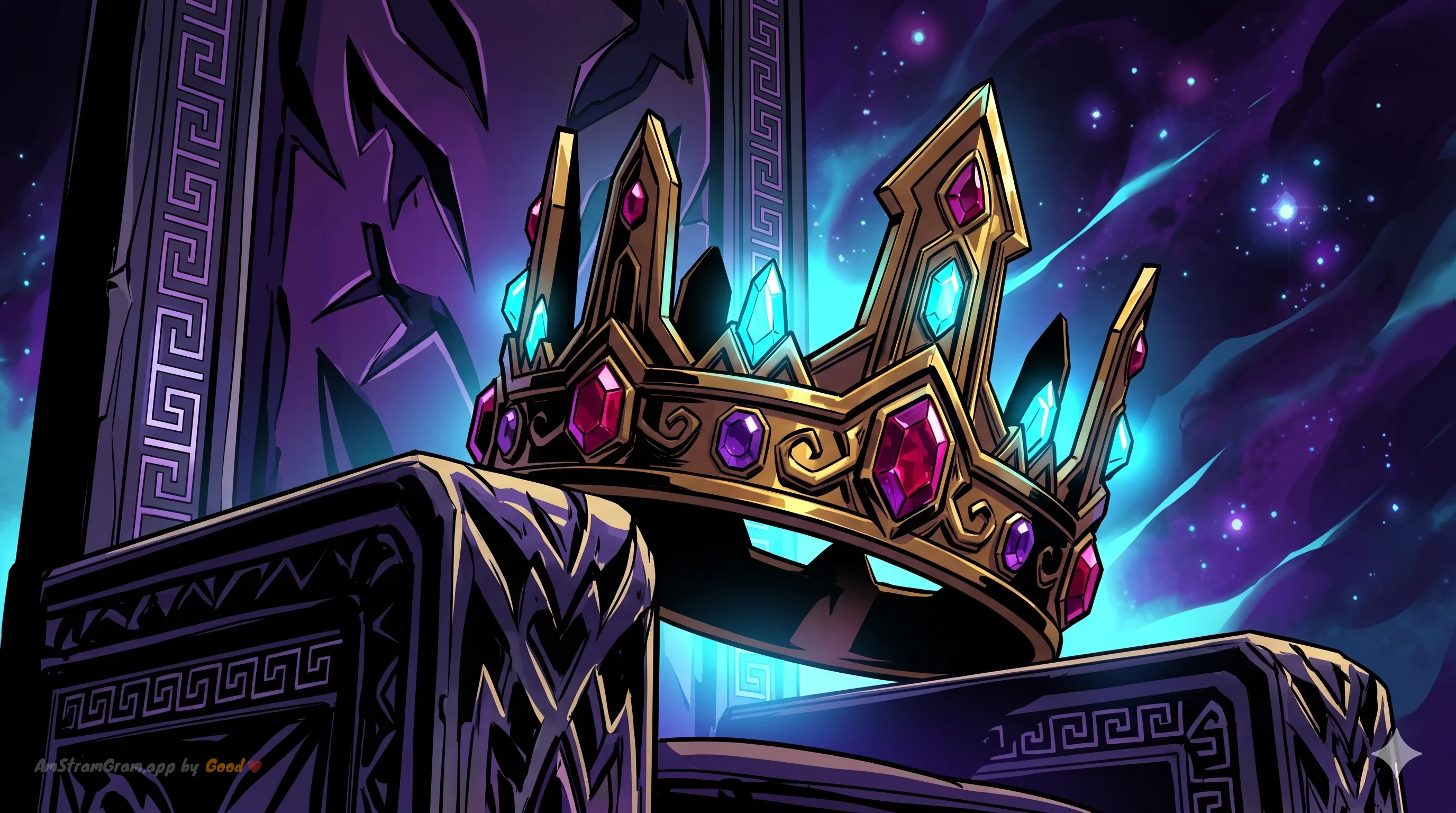
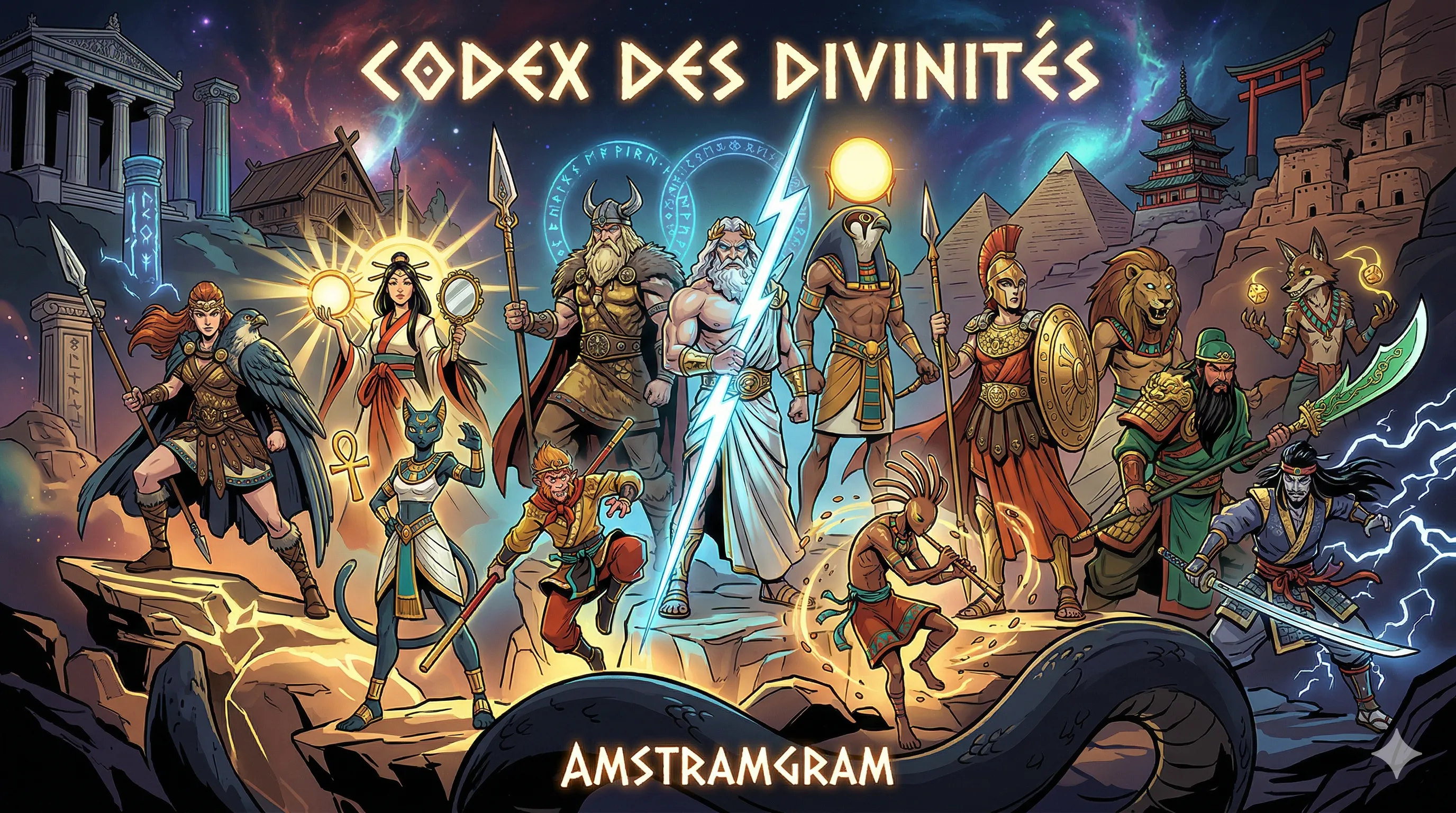
✨ To elevate our codex and bring these legends to life, we have crafted a unique artistic direction generated by Artificial Intelligence Nano Banana 2, giving a modern and epic face to each deity.