Oracle Gé: The Complete Guide to Meanings, History & Spreads
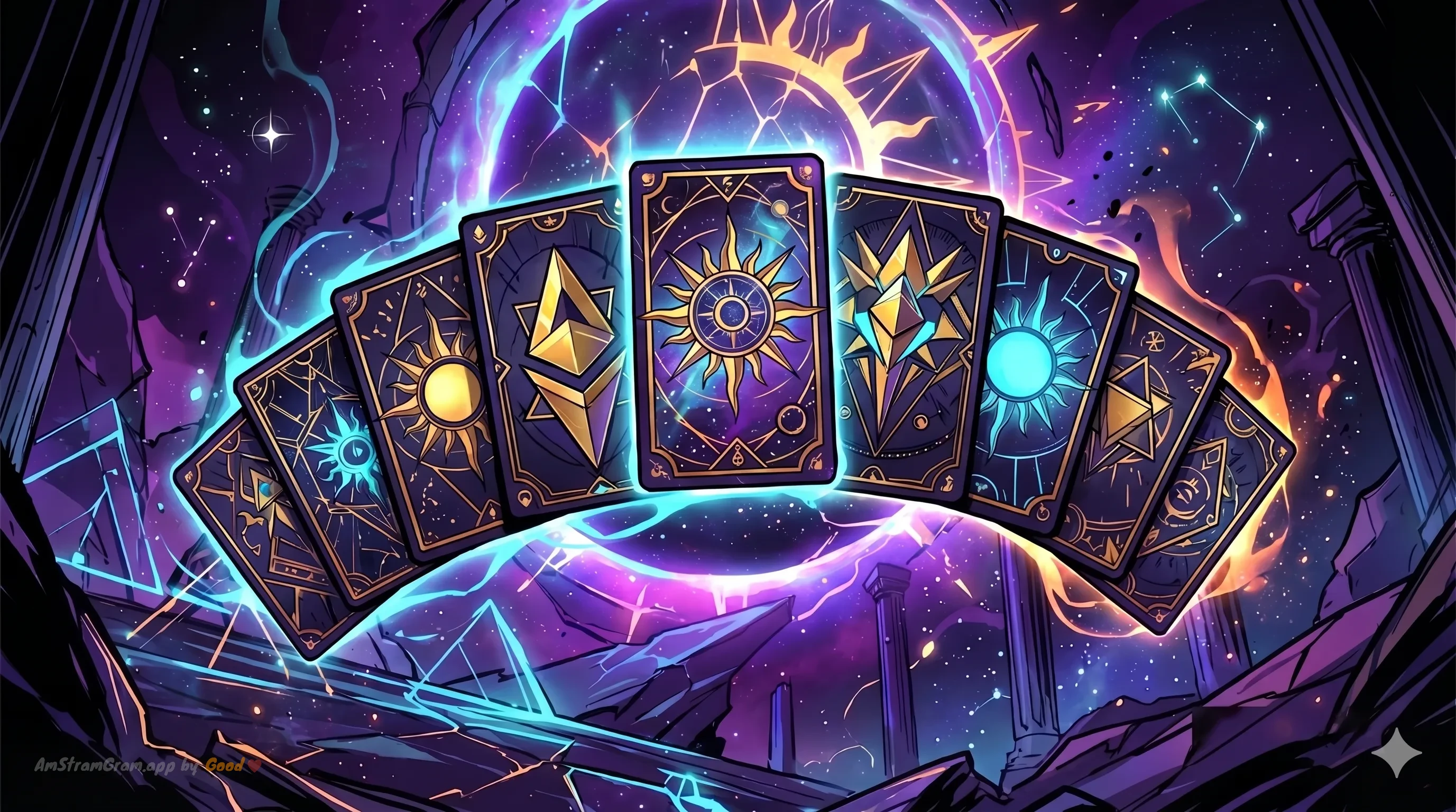
Ultra-visual, straight to the point, and built around a unique seasonal timing system — the Oracle Gé is the modern French oracle that's been winning hearts for 30 years in francophone cartomancy.
The Oracle Gé is a staple of modern cartomancy. Loved for how smoothly it reads and how clear its illustrations are, this divination deck is now a go-to for beginners and seasoned readers alike — whether you're looking ahead, seeking daily guidance, or working on your personal growth.
Here you'll find the history, all 61 card meanings, and the best spread methods for this fascinating deck. And if you want to go further into esoteric exploration, check out our guide on how to read the Tarot de Marseille .
📜 The History of Oracle Gé: A Modern Creation with Traditional Roots
Unlike centuries-old tarot decks, the Oracle Gé is a contemporary creation. Designed in the 1990s by Gérard Barbier, a French psychic and cartomancer with a deep passion for esotericism, this deck was built to lower the barriers to divination. The name "Gé" is simply an affectionate tribute to its creator's initials.
Gérard Barbier had two goals in mind:
- Create a deck that's simple and intuitive, built on universal symbols anyone can grasp at a glance.
- Offer maximum interpretive depth through a clever system of seasonal cards and character correspondences.
Did you know? The Oracle Gé has a unique feature: some cards shift meaning depending on whether they're drawn upright or reversed, and the deck lets you pin down event timing precisely thanks to four dedicated seasonal cards.
🧭 Meanings of All 61 Oracle Gé Cards
The deck contains 61 clean, symbolic cards. Each image delivers an immediate message that you can then refine based on the area you're reading (love, work, money, family). Here's the full index of the Oracle Gé's symbolic richness:
Cards 1–20 — Vital Energy & Movement
- 1 — The Sun: Absolute success, clarity, happiness, and positive energy.
- 2 — The Rose: Flourishing, a pleasant surprise, tenderness in feelings.
- 3 — Spring: Renewal, projects taking root, or a three-month timeframe.
- 4 — Fire: Passion, inner strength — but also the risk of burning out from excess.
- 5 — The Towers: Material stability, administrative institutions, or isolation.
- 6 — The Two Hearts: Shared love, a romantic encounter, a sincere union.
- 7 — The Numbers: The unexpected, material luck, a financial opportunity to seize.
- 8 — The Spider: Upright: tears, grief. Reversed (evening side): hope, gains.
- 9 — The Snail: Delay, necessary slowness, patience in the face of blockages.
- 10 — The Boat: Travel, physical movement, escape, or a change of horizon.
- 11 — The Lion: Strength, courage, protection — but also authority.
- 12 — The Dagger: Betrayal, gratuitous malice, jealousy from someone close.
- 13 — The Butterfly: Positive transformation, metamorphosis, turning a new page.
- 14 — The Thought: Mental activity, state of mind, someone thinking about you.
- 15 — The Sexual Symbols: Physical passion, desire, sensuality, or raw impulses.
- 16 — The Road: Life path, a directional choice, or a car journey.
- 17 — The Star: Celestial protection, good fortune, wishes coming true.
- 18 — The Stork: A birth, pregnancy, a move, or a family renewal.
- 19 — Money: Financial income, material wealth, business success.
- 20 — The Two Flutes: Celebration, reconciliation, invitations, and shared moments.
Cards 21–40 — Tools of Fate & Trials
- 21 — The Three Moons: Speed, events unfolding within the current month.
- 22 — The Candle: Hope, spirituality, intuition, or an answer from the occult realm.
- 23 — The Tools: Work, manual effort, construction, or technical trades.
- 24 — Summer: Fullness, warmth, or a summer timeframe.
- 25 — The Exclamation Mark: Certainty, fate, the need to open your eyes.
- 26 — The Desert: Solitude, a barren project, no immediate solutions in sight.
- 27 — The Bird: Verbal news, conversations, phone calls.
- 28 — The Gift: A surprise, a reward, an act of generosity.
- 29 — The Handshake: Partnership, a contract, solid friendship, mutual support.
- 30 — The Scales: Commerce, restored balance, financial transactions.
- 31 — The Dog: Absolute loyalty, a faithful friend you can count on.
- 32 — The Snake: Hypocrisy, backbiting, toxic gossip around you.
- 33 — The Stethoscope: Health, the medical field, or the need for a personal check-up.
- 34 — The Squirrel: Small savings, financial foresight, budget management.
- 35 — The Hospital: A procedure, medical tests, or a need for forced rest.
- 36 — The Divided Heart: Romantic indecision, hesitation between two people, doubt.
- 37 — The Shell: Vacation, the sea, abroad, letting go.
- 38 — The Elephant: Lasting luck, wisdom, memory, and solidity.
- 39 — The Rat: Material loss, theft, illness, or gnawing anxiety.
- 40 — The Papers: Administrative procedures, official contracts, legal matters.
Cards 41–61 — Seasons & the Court of Characters
- 41 — Winter: Slowing down, the end of a cycle, or a winter timeframe.
- 42 — The Arrows: A directional choice, multiple opportunities, a crossroads.
- 43 — The Harp: The arts, creativity, inner harmony, and music.
- 44 — Justice: The law, a verdict, the need to settle a dispute fairly.
- 45 — The Young Woman: A woman under 30 (friend, sister, daughter).
- 46 — The Young Man: A man under 30 (friend, brother, son).
- 47 — The Woman: A woman aged 30 to 65, a significant feminine presence.
- 48 — The Man: A man aged 30 to 65, a key masculine presence.
- 49 — The Female Querent: The card representing the woman asking the question.
- 50 — The Male Querent: The card representing the man asking the question.
- 51 — The Elderly Woman: A woman over 65 (grandmother, protector, experience).
- 52 — The Elderly Man: A man over 65 (grandfather, mentor, sage).
- 53 — The Broken Flute: An argument, a friendship or professional breakup, disagreement.
- 54 — The Countryside: Calm, rest, the need to recharge in nature.
- 55 — Autumn: Taking stock, leaves falling, or an autumn timeframe.
- 56 — The Pyramid: Social rise, lasting success, a solid destiny being built.
- 57 — The Lynx: Independence, vigilance, necessary caution toward the unknown.
- 58 — The Cross: Sorrow, grief (real or metaphorical), a burden to carry.
- 59 — The Bat: Breach of trust, material losses at night, the end of a cycle.
- 60 — The Dove: Peace, restored serenity, conflict resolution.
- 61 — The Scroll: Official documents, diplomas, wills, or revelations.
🔮 Oracle Gé Spread Methods
What makes this deck so powerful is its flexibility. Depending on how much time you have and how precise your question is, several spreads work beautifully:
1. The Yes / No Spread (fastest)
Perfect for a quick answer. Ask a closed question and draw 3 cards:
- Mostly positive cards (Sun, Star, Dove): Yes.
- Mostly negative cards (Dagger, Snake, Rat): No.
2. The 3-Card Love Spread (Past / Present / Future)
Ideal for taking stock of your love life:
- Card 1 (left): Foundations, emotional baggage from the past.
- Card 2 (center): The current state of the relationship or romantic dynamic.
- Card 3 (right): Short-term evolution of the connection.
3. The Full Cross Spread (5 cards)
The go-to method for analyzing a complex situation from every angle:
       [ 3 — Advice / Heaven ]
                    |
[ 1 — For ]  ——  [ 5 — Synthesis ]  ——  [ 2 — Against ]
                    |
        [ 4 — Answer / Evolution ]
- Position 1 (left): Your assets, what's working in your favor.
- Position 2 (right): Obstacles, blockages, or toxic people to avoid.
- Position 3 (top): The major force, external elements, or the Oracle's advice.
- Position 4 (bottom): The raw answer and concrete evolution of the situation.
- Position 5 (center): The overall synthesis from all cards interacting together.
⚖️ Oracle Showdown: Which Deck Should You Choose?
| Feature | Oracle Gé | Oracle Belline 🪐 | Tarot de Marseille |
|---|---|---|---|
| Number of cards | 61 cards | 53 cards | 78 arcana |
| Skill level | Beginner-friendly | Intermediate | Advanced / Complex |
| Visual style | Modern, clean, direct | Retro, esoteric artwork | Medieval iconography |
| Key strengths | Precise timing (seasons) | Deep astrological links | Psychological depth |
🎡 Train Your Intuition with AmStramGram
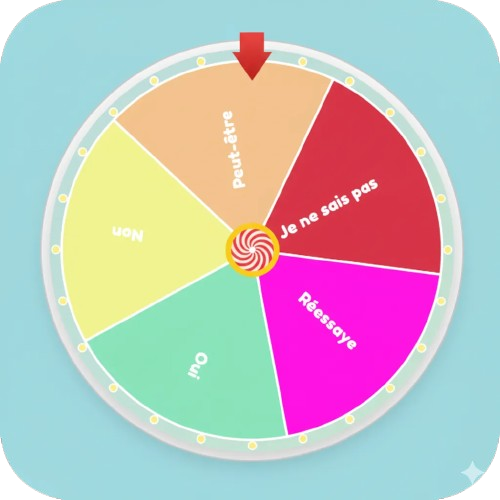
Your card of the day sparks intuition. Why not pair it with a random draw on the AmStramGram Wheel to pick your reflection theme for the day?
Free & no sign-up required
💡 Tips to Learn and Master the Oracle Gé
1. Trust your first impression. Gérard Barbier's illustrations were designed to speak directly to your subconscious. Don't rush to recite the textbook meaning of a symbol — notice what it stirs in you.
2. Read card combinations. A negative card next to the Sun (1) or the Star (17) has its harsh edge greatly softened. The Oracle Gé reads like a sentence — each card is a word.
3. Track your card of the day. Each morning, draw a single card. Write it down in your journal or tracking app. At the end of the day, look back at how that card's energy showed up in your life. It's the fastest, most playful way to internalize the deck!